Our Unit Theme:
Janus is the Roman god of beginnings and transitions. He is most commonly represented looking in two directions simultaneously – both to the past, and to the future. As such, he embodies the notion of change – representing a present which facilitates the transition from the past to the future, and reciprocally which might be interpreted as offering a way of understanding progress through the mechanism of contemporary interventions.
This work of this unit will be concerned with introducing contemporary interventions, at whatever scale might be appropriate (from a single exhibit to an entire building, for example), harmoniously into their immediate physical, as well as larger historical contexts. To achieve this, we will research the historical, physical, cultural, and social circumstances of each project, integrating this information with a considered response to the brief, to the environmental and other technical parameters which apply, and also with our own ambitions, which ‘stand in’ for those of the clients whose aspirations we hope to translate into physical reality.
Brief
The objective of this first project is to ‘set the scene’ for Projects 2 and 3, principally through the identification, analysis and assessment of a specific site (or territory) with a view to using this information as the basis for the design exercises which will constitute Project 2 (Pars Pro Toto), and Project 3. (A Posse Ad Esse).
We will be assessing the cultural, philosophical and geographical location and context, looking specifically at the potential for continuities inherent in the existing condition. These may be apparent in the physical fabric of the site; or latent (in a sense ‘absent’) but which can be inferred through the contextual conditions; or which can be related to the historical development of the site, it’s physical evolution in response to evolving physical, social, environmental or other circumstances.
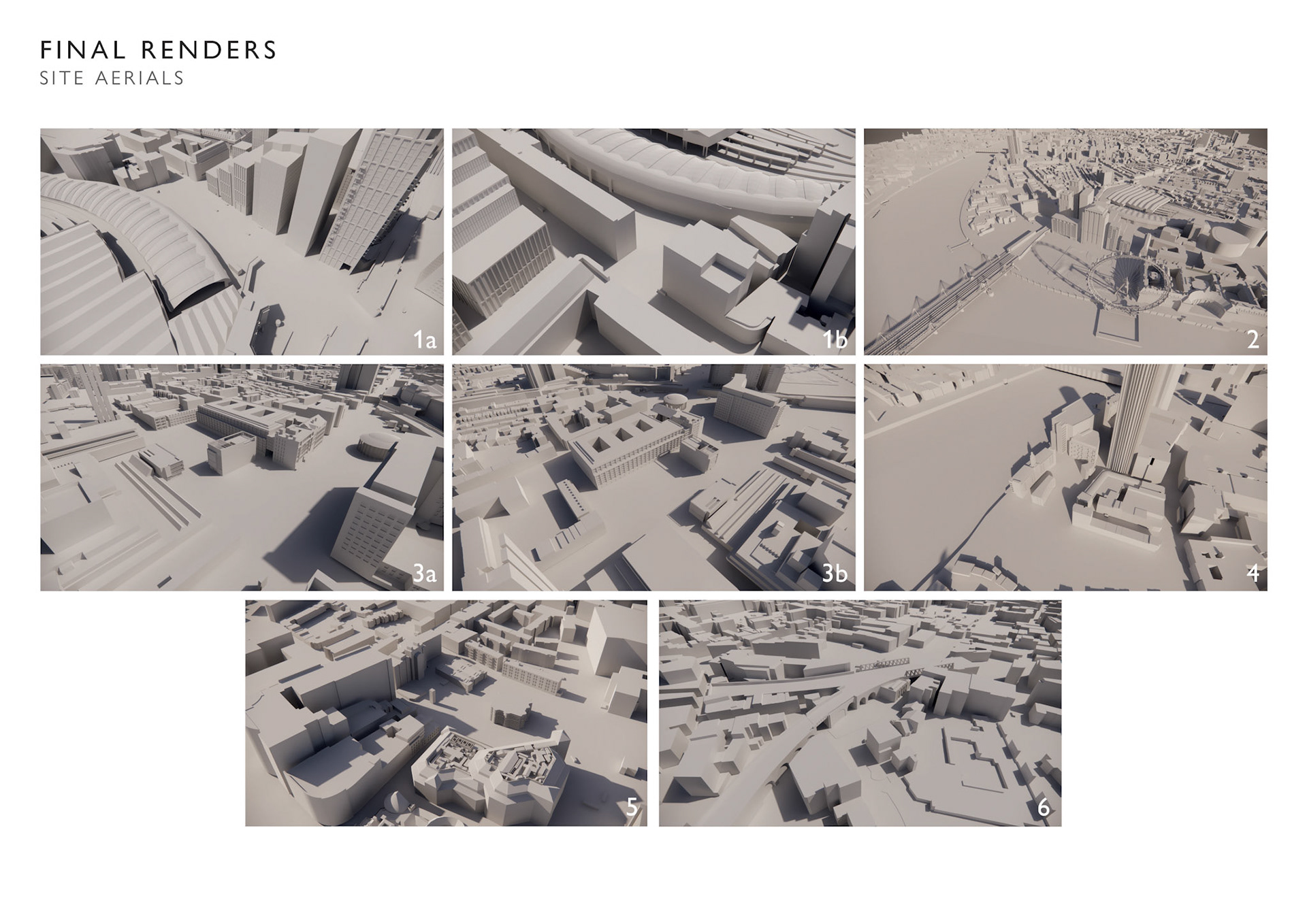
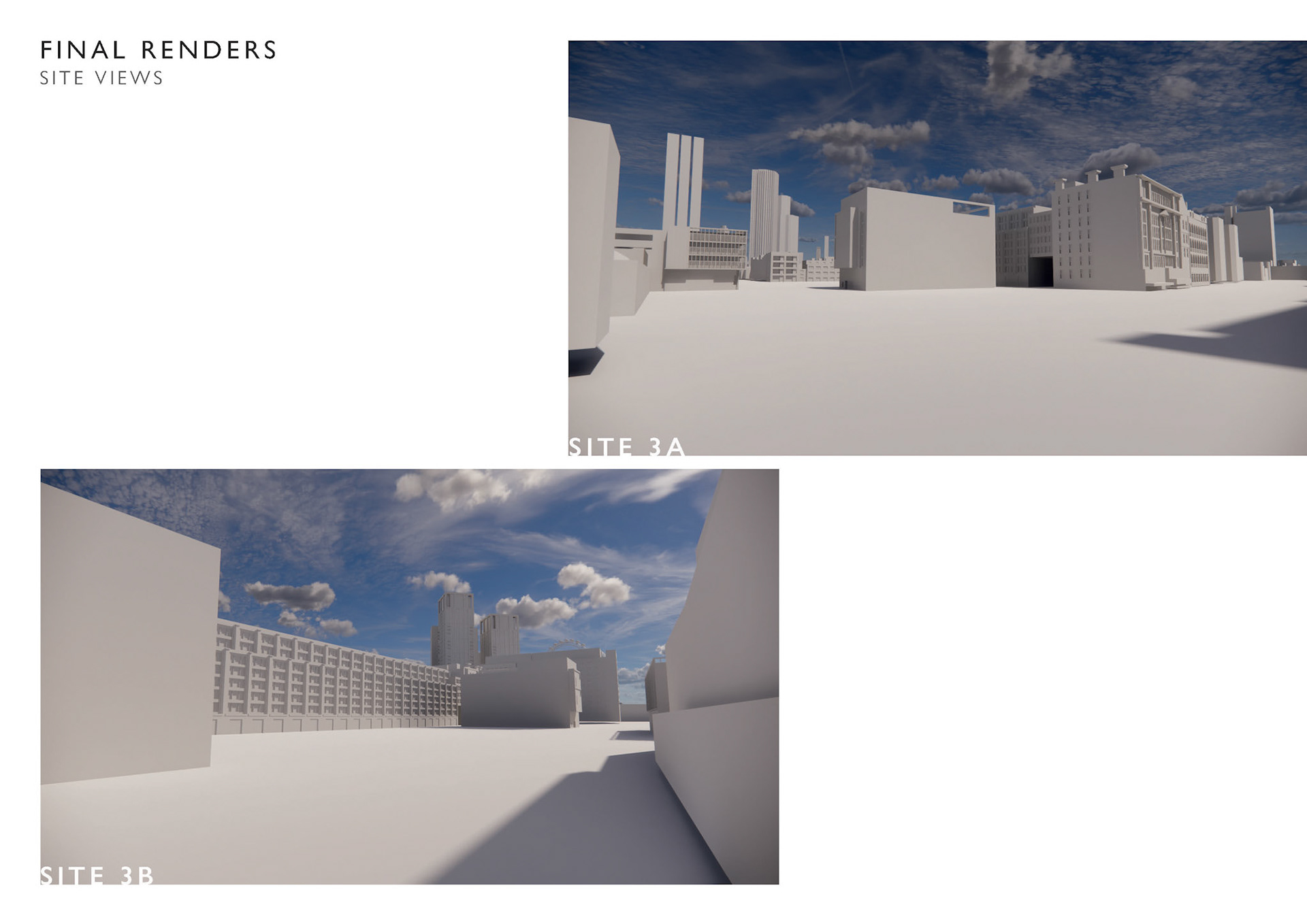
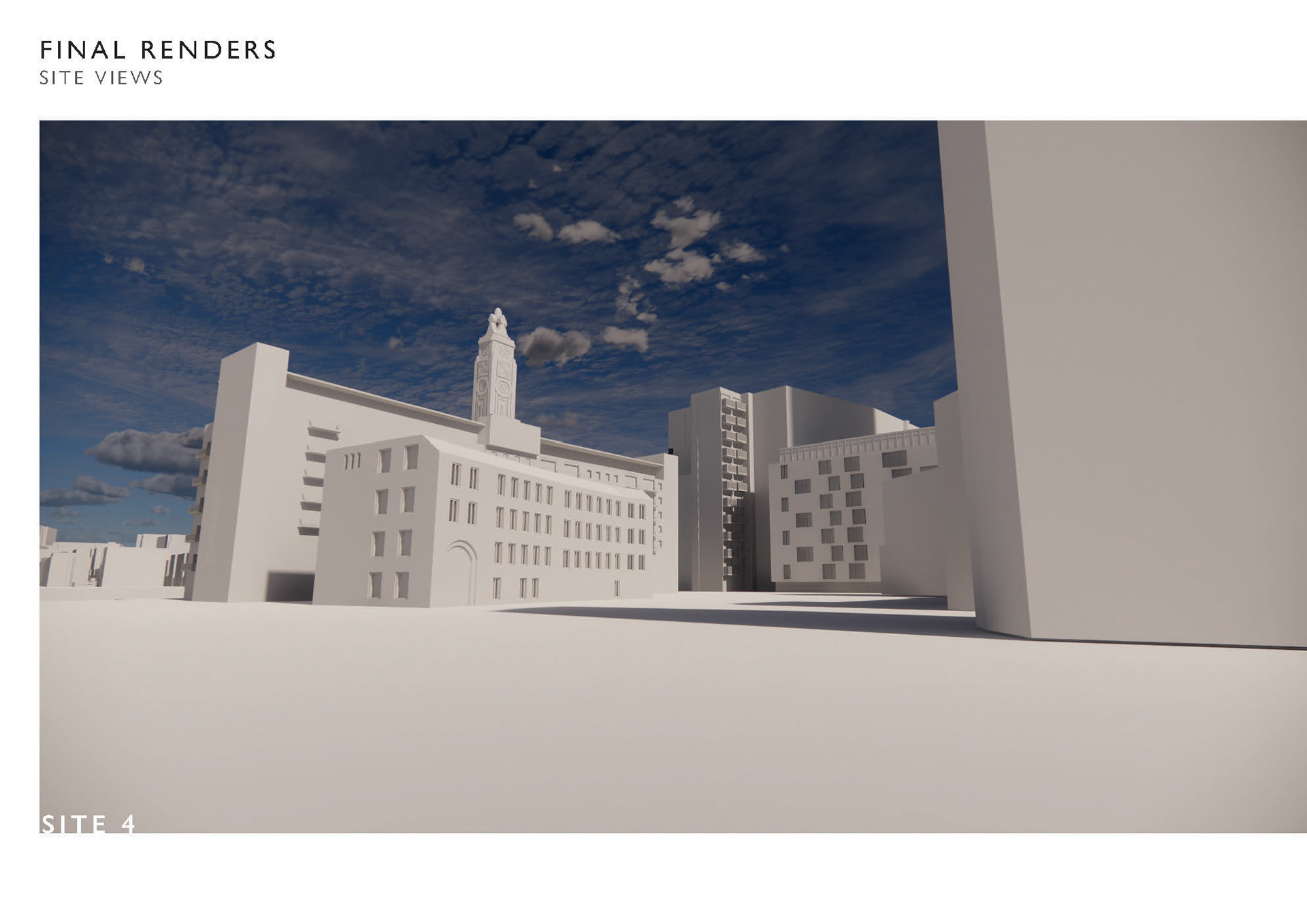
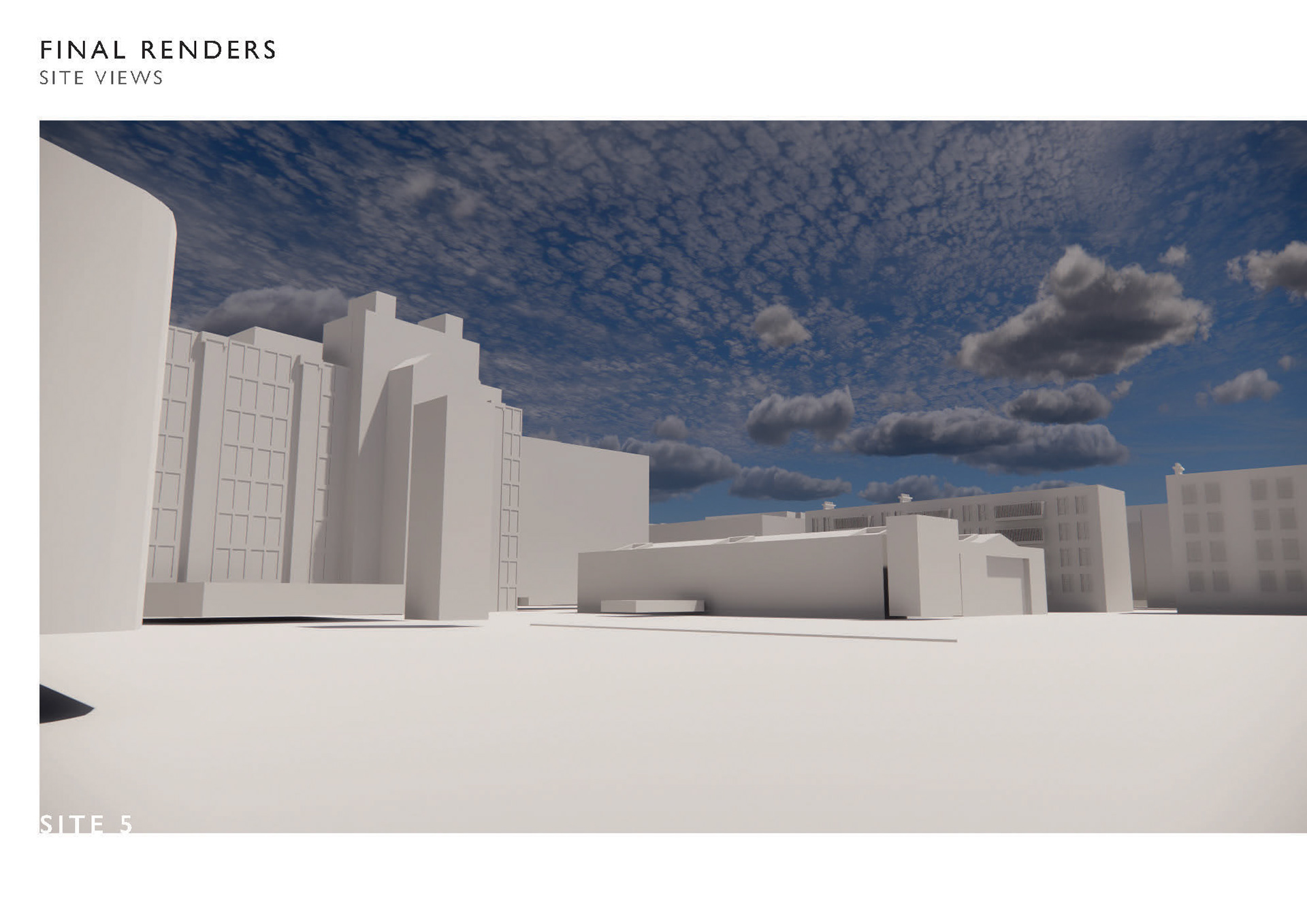
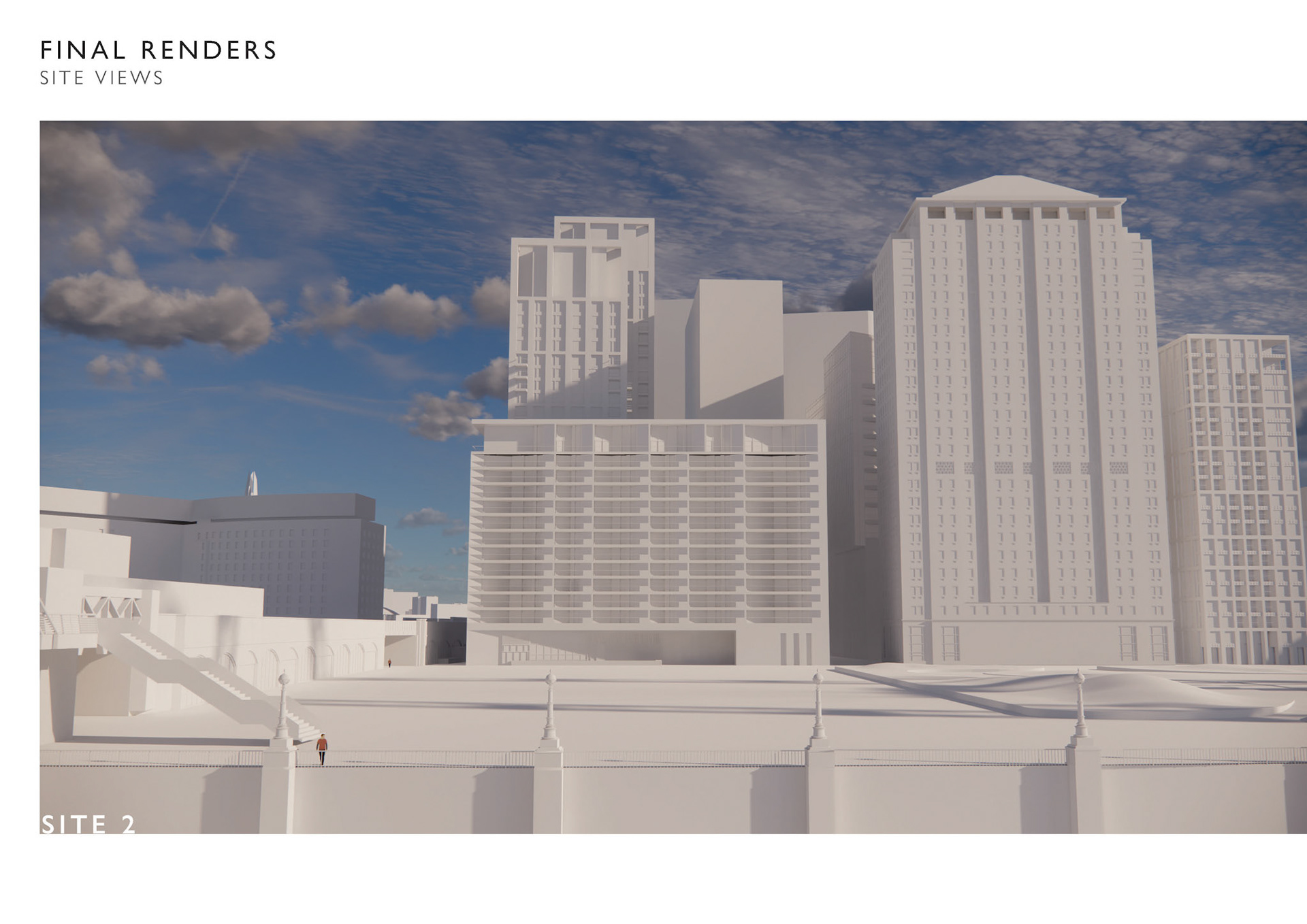
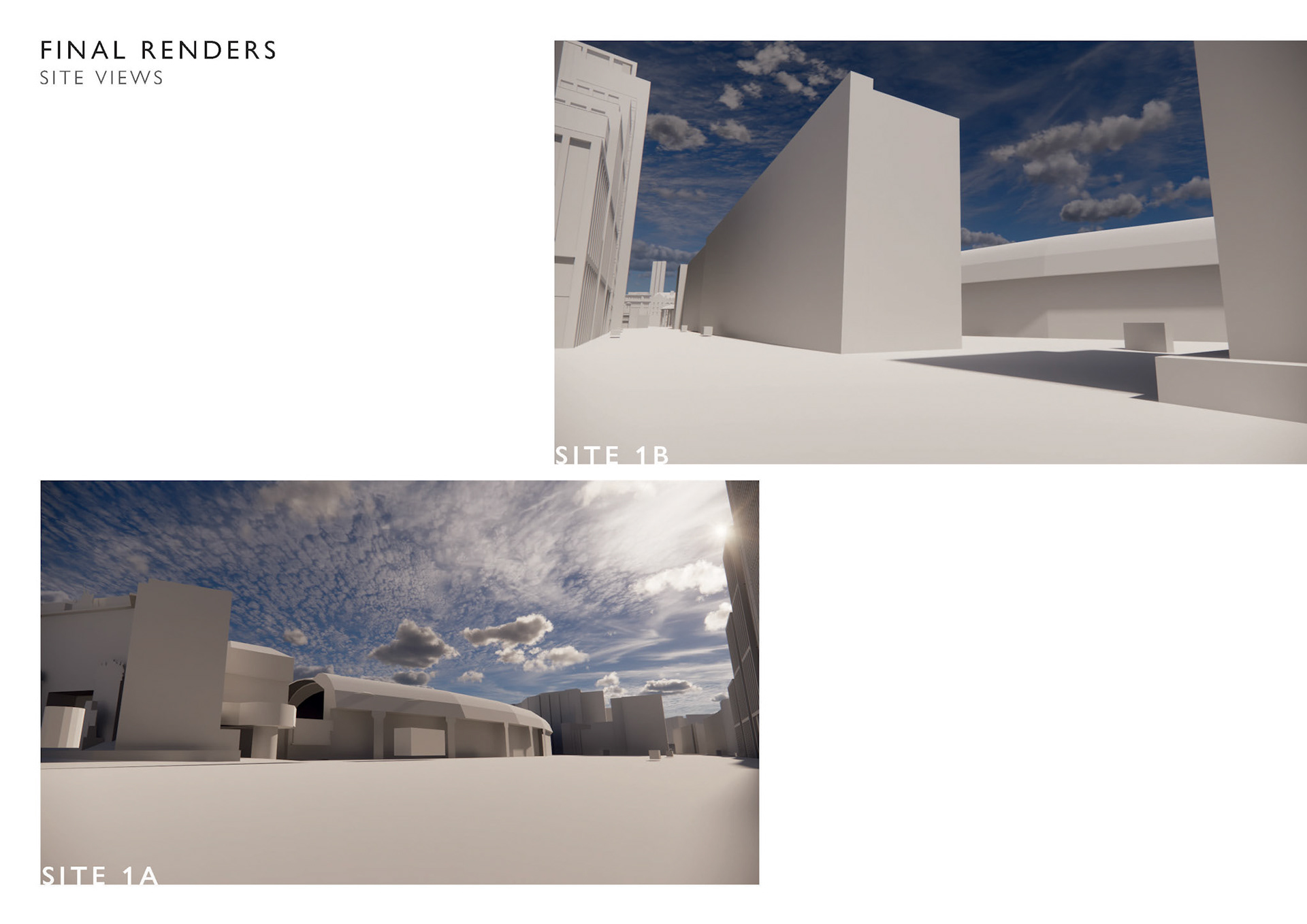
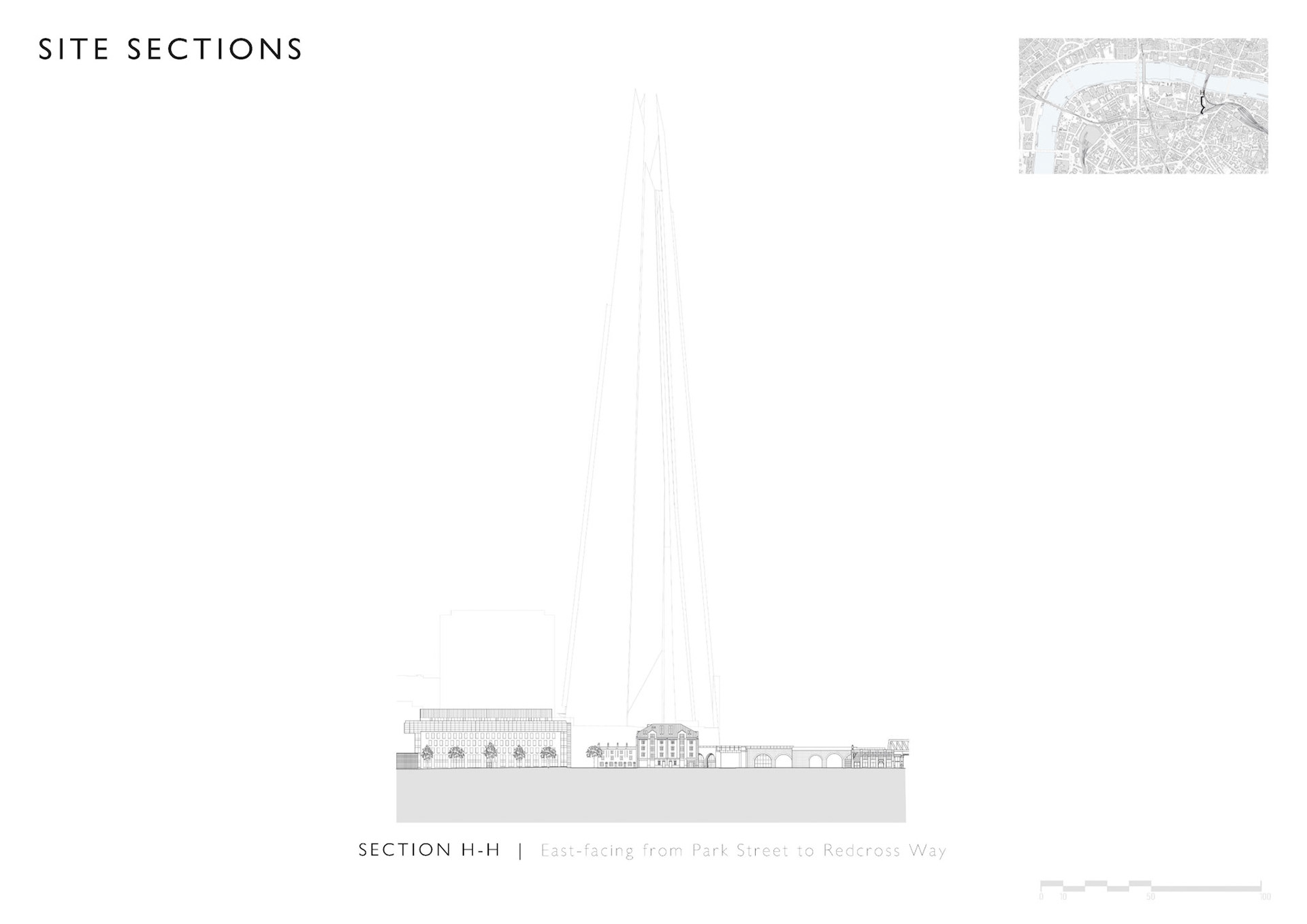
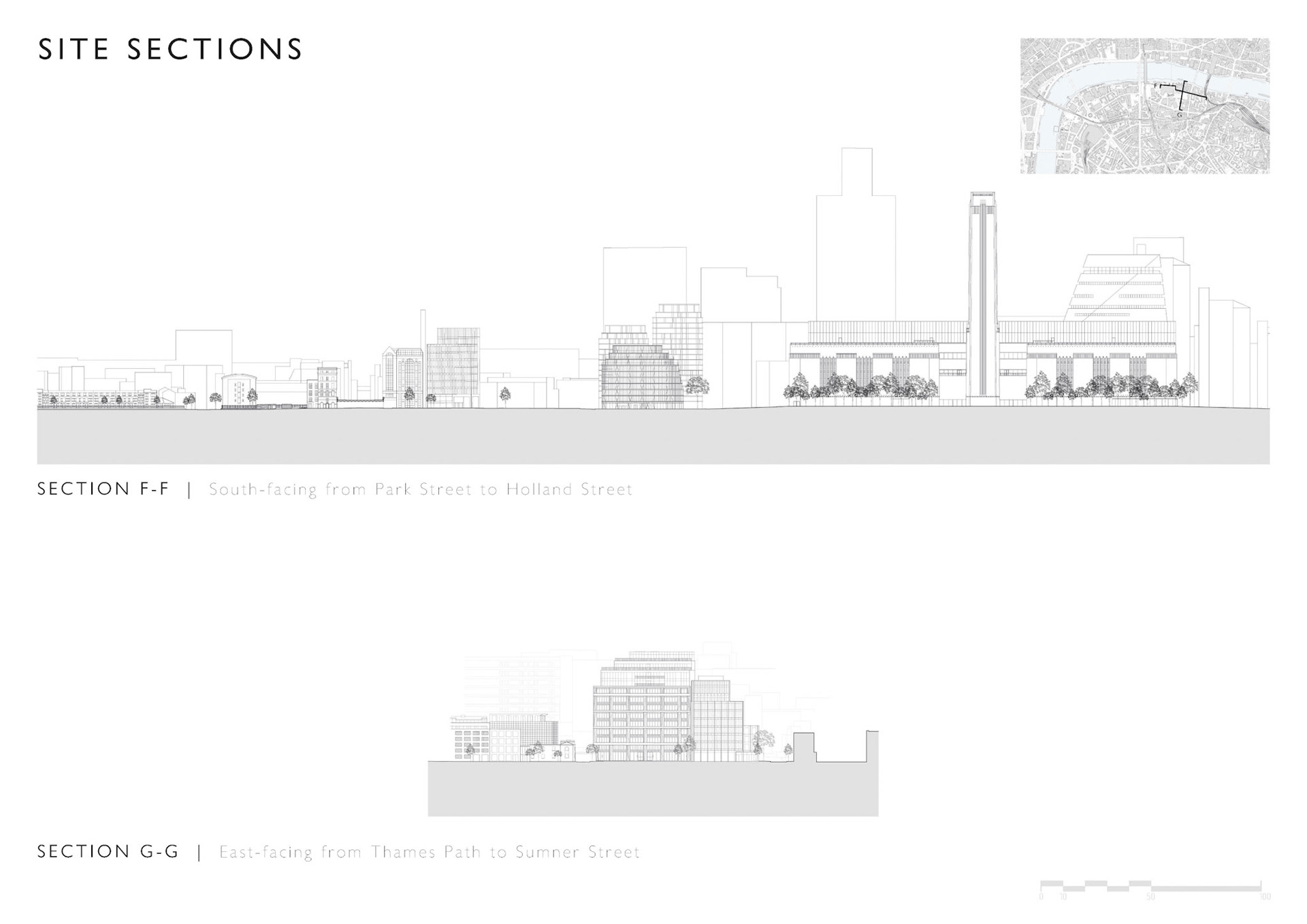
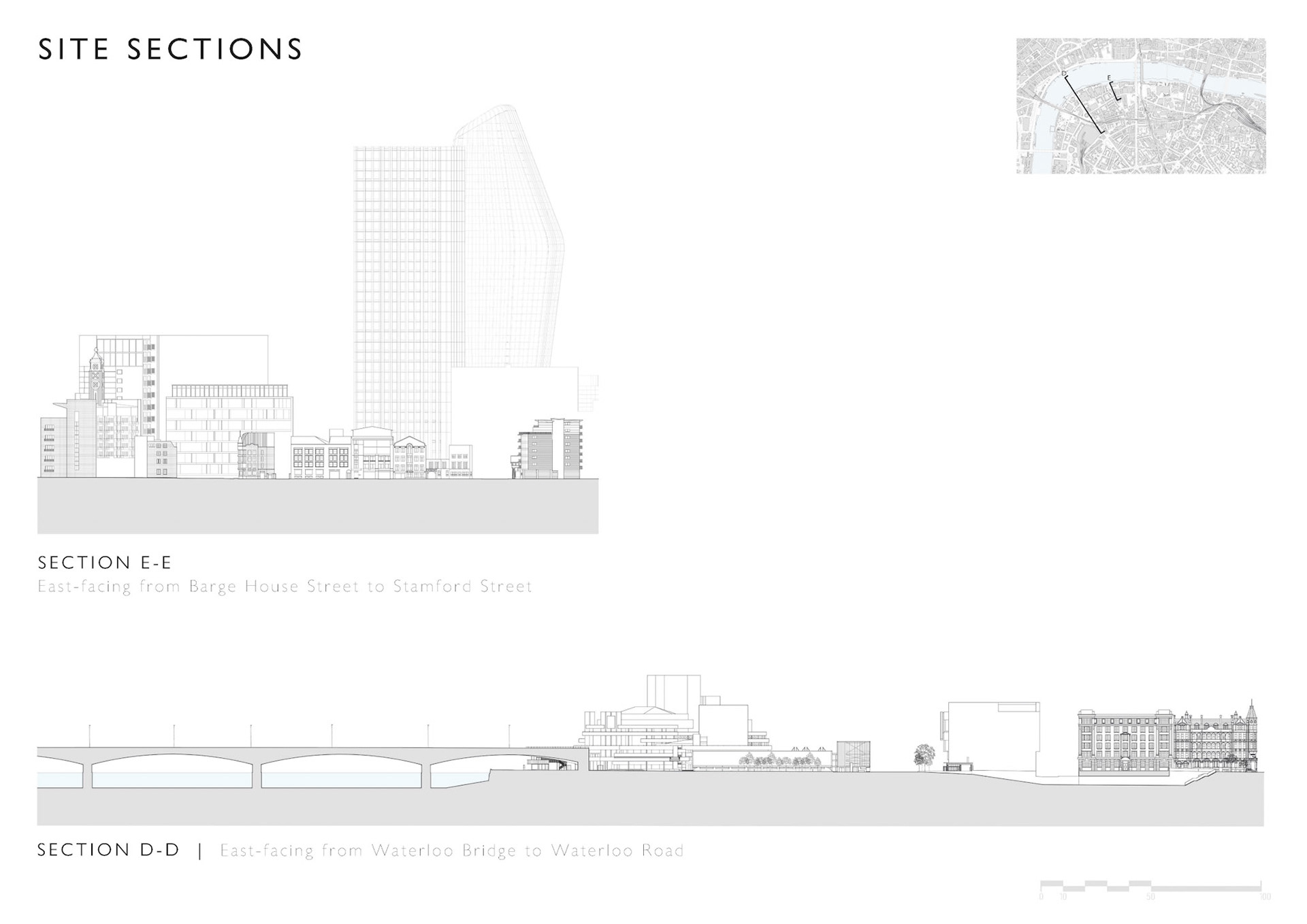
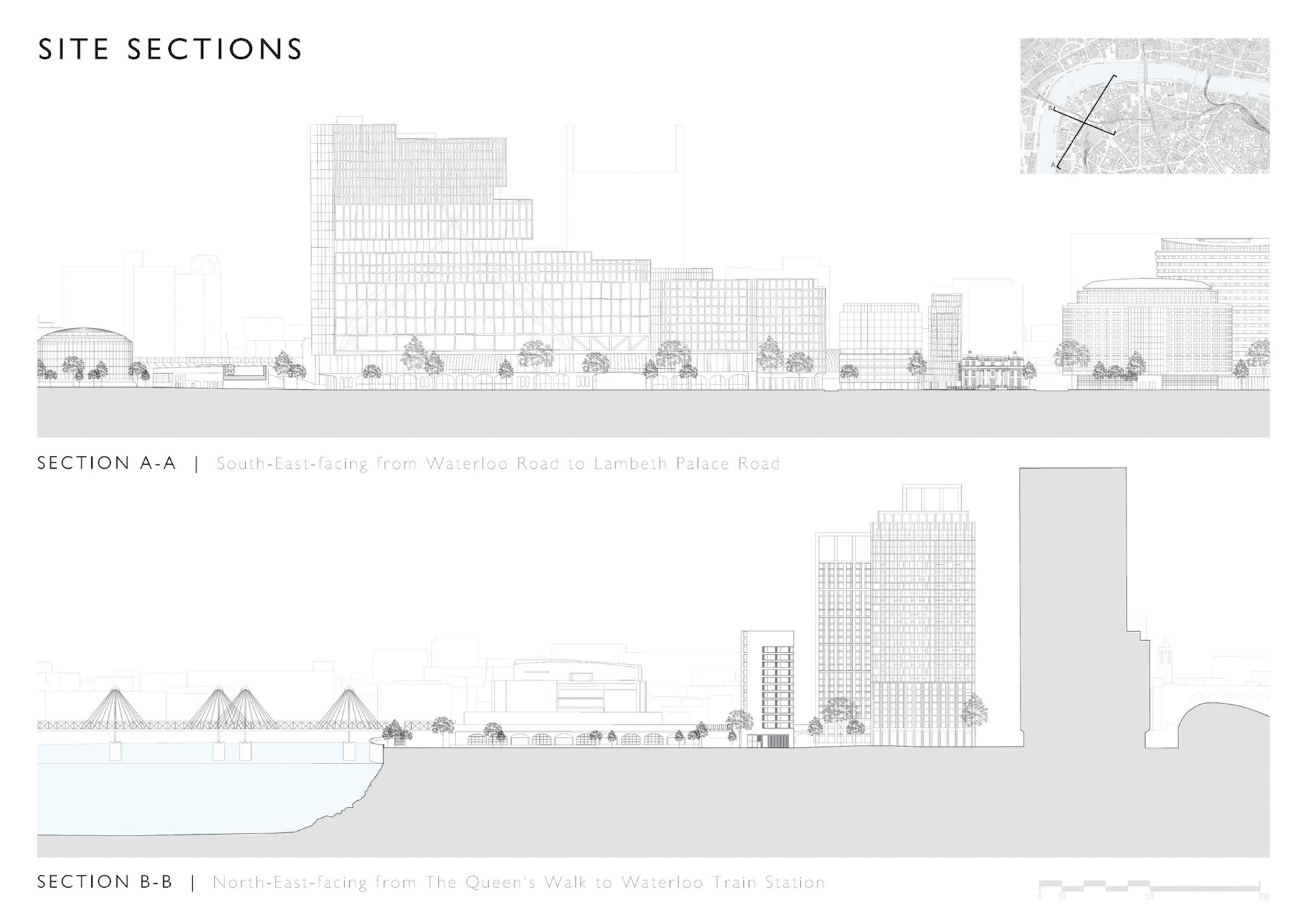
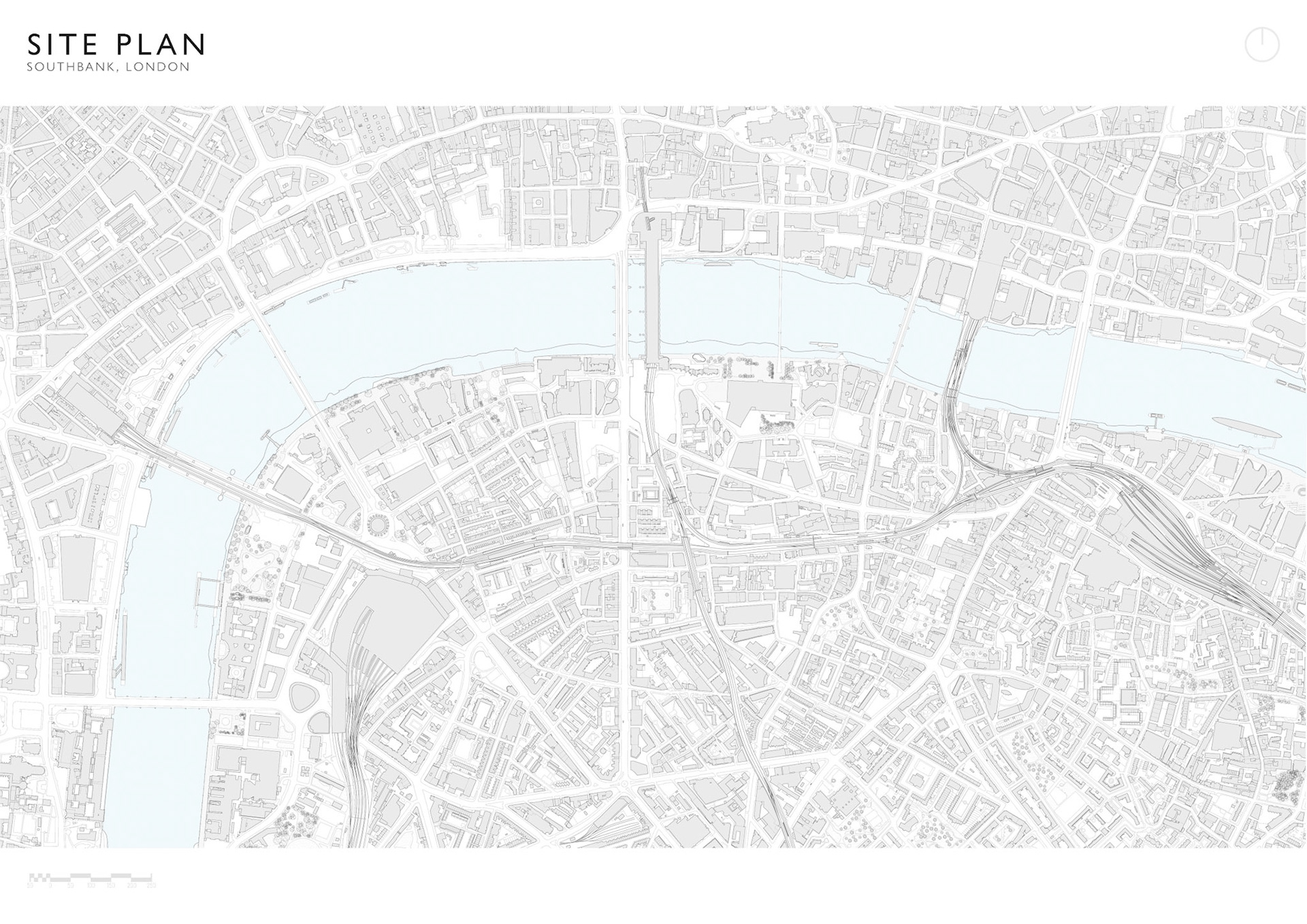
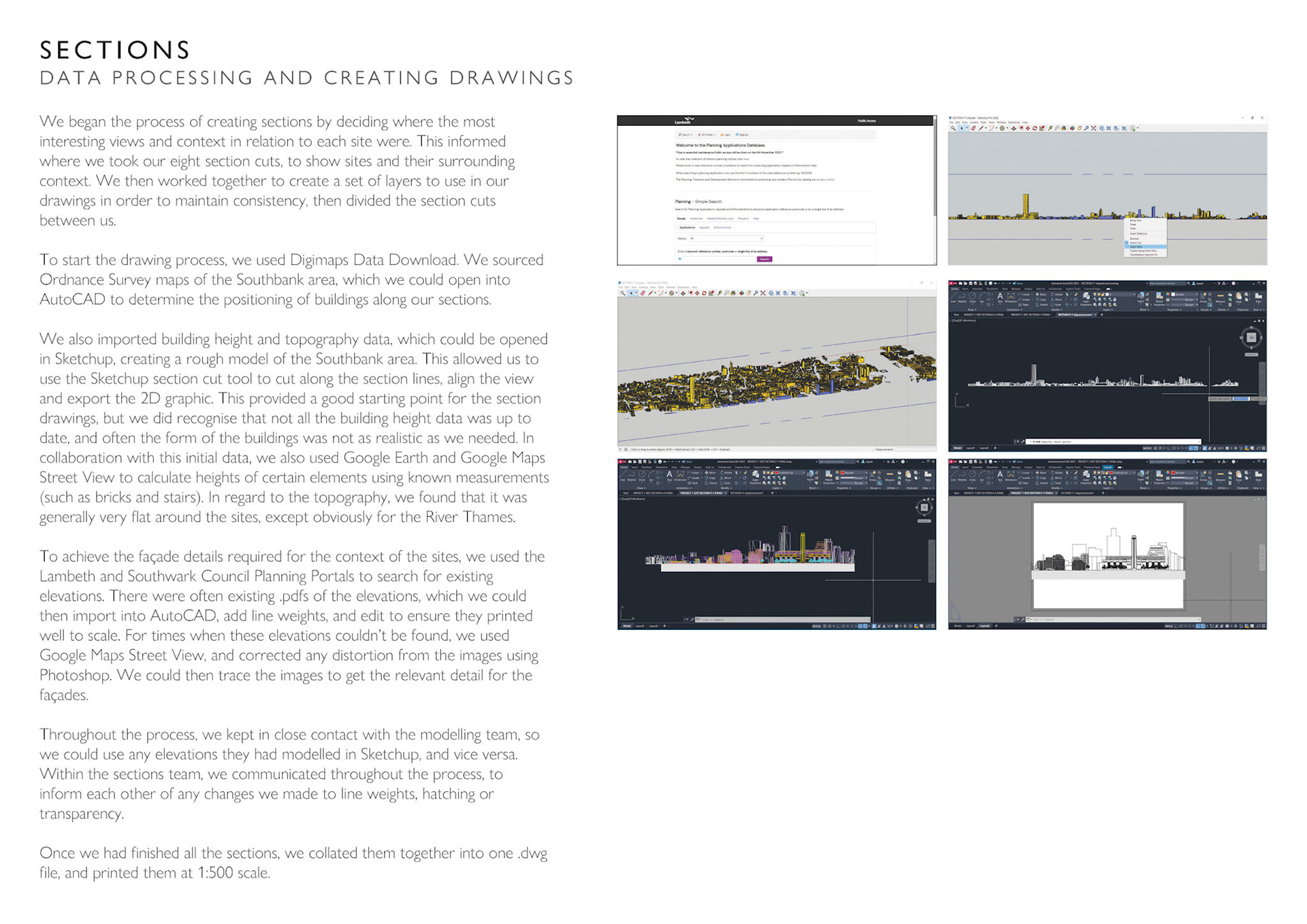
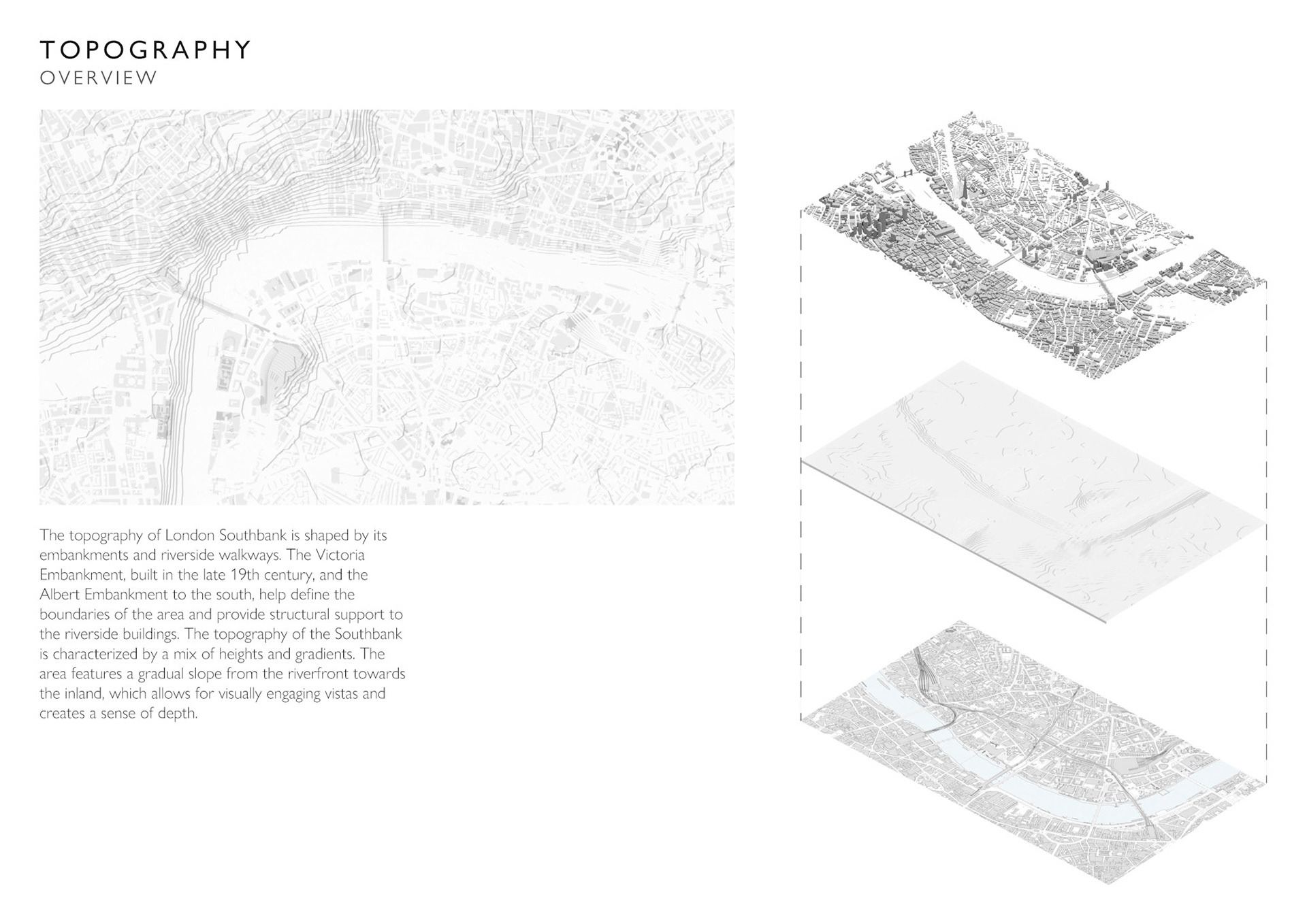
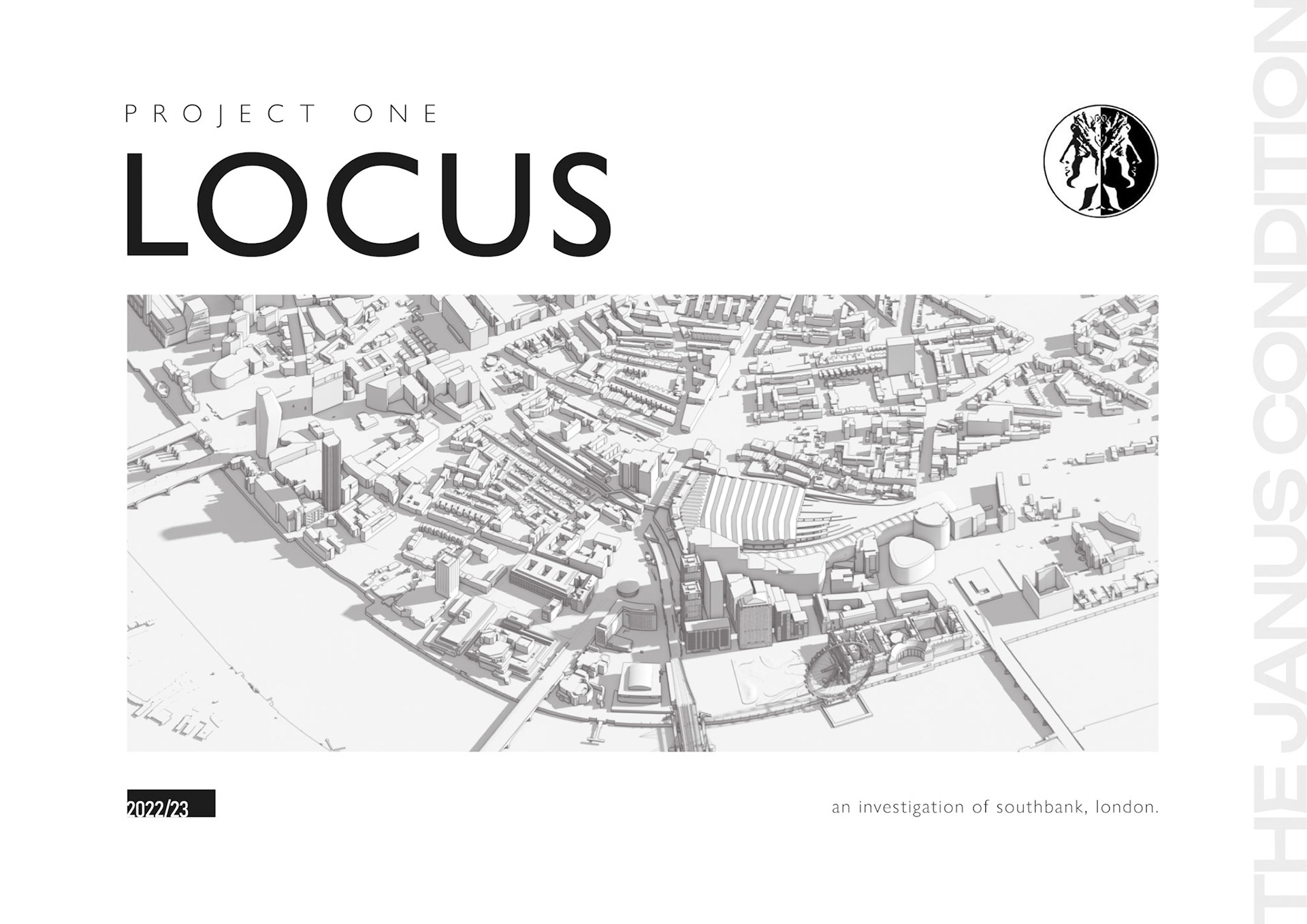
My teams' responsibility this project was to look at the wider topographical context, the physical organisation of the built fabric explored through drawings and a model (where a digital model was required), and the production of the final Project 1 booklet.